
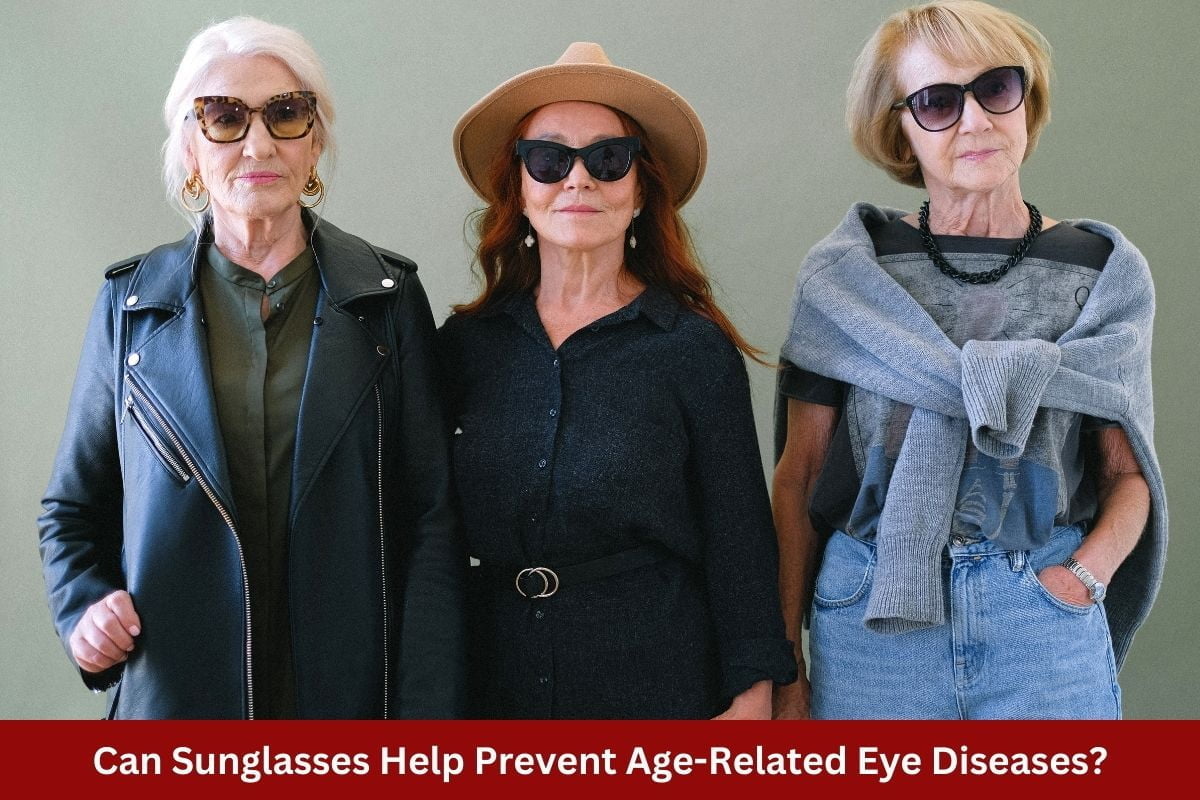
The likelihood of vision deterioration is known to increase as an individual ages, just like the potential for illness and disease. Seniors are the most vulnerable population to sight problems, as the American Journal of Managed Care reports that 60% of American adults with eye issues are people aged 65 and above. With this in mind, older adults must search for ways to prevent the development of age-related eye diseases.
One such tool worth looking into is sunglasses. This protective eyewear is more than just a fashionable accessory; it can also be helpful when it comes to protecting seniors’ eyesight. Below, this article explores how sunglasses can help and what kinds of aging people should wear.
How does wearing sunglasses help prevent age-related eye diseases?
The biggest outward threat to seniors’ eye health is ultraviolet (UV) rays from the sun. These have harmful effects that can further aggravate existing age-related eye conditions. Some of the most common eye disorders seniors experience are:
Macular degeneration
Macular degeneration happens when the retina becomes damaged and leads to eyesight loss. Environmental factors such as UV rays are one of the main reasons why degeneration occurs in the first place, and they can worsen it.
Cataracts
Cataracts are a cloudy film over the eye’s lens area, blurring the vision. UV exposure can exacerbate the condition significantly and cause total vision loss down the line.
Cancers around the eye area
UV rays are carcinogens, promoting specific types of cancers on the skin. Surrounding eye areas like the eyelids can develop these cancers called basal cell carcinoma (BCC) and squamous cell carcinoma (SCC) through frequent sun exposure.
Fortunately, sunglasses were designed to block out UV rays entirely and effectively prevent the eye conditions mentioned above. Wearing sunglasses can help seniors maintain their vision and allow them to see better in brightly lit environments. For this reason, some types of sunglasses can be recommended specifically for aging individuals.
What type of sunglasses should older adults wear?
Sunglasses with polarized lenses
Most sunglasses offer 100% UV protection, but not all of them can enhance vision, polarized lenses. Seniors would highly benefit from the glare-blocking benefits of polarized lenses, which can provide them with sharper vision, improved clarity, and better contrast.
These features can be seen in the polarized sunglasses options offered by Ray-Ban, which blend functionality and style. Seniors can now opt for classic models like the Aviator or the Wayfarer while staying protected from UV rays and harsh glares. These lenses are readily available online as most retailers have dedicated polarized sunglasses selections.
Photochromic lenses
Photochromic lenses, or transition lenses, are great for seniors who suffer from light sensitivity. These lenses can be applied to regular prescription lenses, and they will adapt to the available light conditions, meaning that they will go dark under the sun and block out UV rays, and clear up once indoors. These are convenient since seniors will no longer have to switch out their glasses depending on the environment.
Zeiss offers special photochromic lenses that work four times faster than other transition lenses in the market. Seniors can get Zeiss lenses the next time they get their prescription glasses. They can request these transition lenses from their optician, and the coating should be applied.
Sunglasses that are mirror-coated
Mirror-coated sunglasses have a highly reflective coating that repels light instead of absorbing it. These are a great UV protection option as they tend to be bigger than other sunglasses, so they cover your eyes and the surrounding area around them from harmful sun exposure. Their reflective capabilities also give people a brighter field of vision.
Oakley sunglasses, the preferred brand of athletes, are particularly known for their mirror coating as most sports environments are brightly lit and benefit from the light reflective technology. Seniors can get this coating online through select retailers, as only certain frames can accommodate mirrored lenses.
Leave a Reply
You must be logged in to post a comment.