
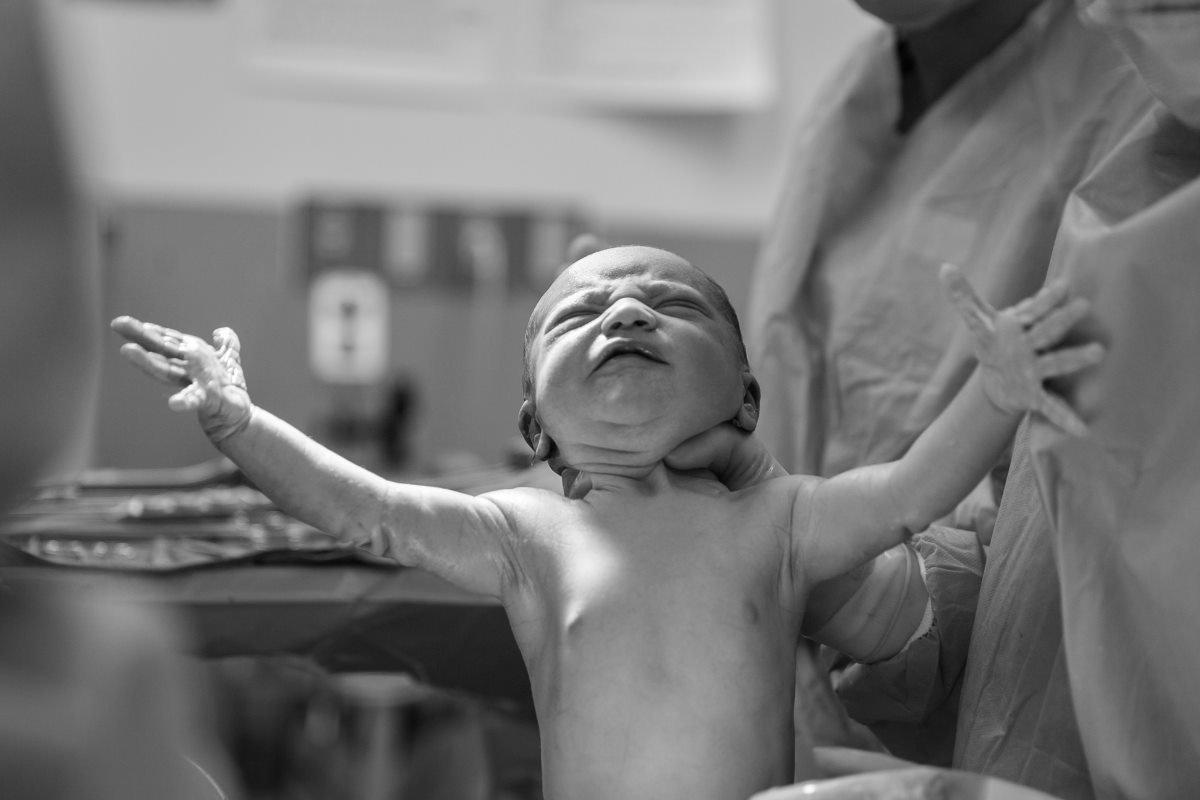
Faced with its falling birth rate, Russia has joined the throng of nations that have tried some rather unconventional solutions; and one such proposal is sure to raise some eyebrows: a ” Ministry Of Sex” The initiative-a brainchild of Nina Ostanina, a loyal member of parliament to President Vladimir Putin-looks to remedy the country’s population decline by incentivizing family growth. As demographic concerns increase, Ostanina-who heads the Russian parliament’s Committee on Family Protection, Paternity, Maternity, and Childhood-has shown herself willing to listen to an official appeal to create such a ministry.
This ” Ministry Of Sex ” is itself part of broader attempts within the Russian government to incentivize the growth of families and stabilize the nation’s demography. Proposals for the new ministry reveal several less-than-orthodox and contentious strategies under consideration. Let’s look at several of these proposals, each of which in its particular way tries to encourage families to grow and contribute to Russia’s future.
Preserving Intimacy with Minimum Technology and Light
Perhaps one of the strangest proposals for encouraging intimacy between partners is the one regarding access control to technology and even electricity during specific hours. Herein, the idea focuses on limiting internet access, along with turning off lights, from 10 PM to 2 AM time theoretically when couples would have more time to face one another. This proposed measure would make conditions more favorable to intimate contact, as fewer distractions might increase the chance of adding to the family.
This may sound like a radical suggestion, but it does fall in line with the heightened attempt by the government to meet a grave demographic crisis. The move also represents a belief that contemporary distractions, particularly technology, have a contributing role in the drop in the birth rate. Without these diversions, the theory goes, couples will spontaneously spend more time together in ways that might build intimacy. Undoubtedly, this scheme may never be implemented; but the very idea illustrates how far the government is willing to go to implement its objective of increasing its population.
Financial Incentives for Mothers and Family-Friendly Policies
The government has also weighed in on the possibility of direct financial incentives, for offering motivations into parenthood. These measures include making payments to mothers who stay at home and take care of the children, as well as responsibilities at home. This remuneration can be computed to their pension during old age long-term benefit for housewives with children. These kinds of financial incentives will reduce the burden of economic constriction that sometimes prevents couples from having children.
The other proposal involves compensating stay-at-home mothers, while another involves paying for the wedding night accommodation of newly married couples. For example, funding for public weddings will cover the nights in hotels up to 26,300 roubles; this would be a way to encourage young couples who get married to start their families soon after marriage. This move demonstrates how seriously the government takes giving support to young couples in ways that spur family growth, even down to covering the costs of the wedding night.
There are different regional incentives to encourage families in certain areas. For instance, when a child is born, young women receive a one-time payment of $1,375 or £900 in Khabarovsk, while the incentive for new mothers goes up to $13,800 or £8,500 for the first child in Chelyabinsk. Such region-specific policies indirectly indicate the local attempts at population increase through financial incentives that also meet the various needs at the community level.
Funding First Dates and Romantic Initiatives
The government is also considering, in a rather unusual approach, funding first dates so that people would be encouraged towards relationships that might blossom into marriage and family. Given to them first dates up to 5,000 roubles is a way the government has shown interest in the ways young people begin relationships that could contribute to demographic stability for the country.
This draft policy is cognizant of the fact that economic pressures make young people avoid a social life. Economic incentives for first dates are meant to provide opportunities for couples to form relationships that may eventually lead to family. Subsidies of this nature also demonstrate how Russia has tended to adopt an integrative multi-approach towards the population problem: even the first steps of building a relationship are being subsidized.
Workplace initiatives and fertility assessments
But in addition to direct financial incentives and family-strengthening policies, Russia has also actively pursued a policy of encouraging family planning in the workplace. For instance, public sector employees, particularly women, are being asked to complete questionnaires relating to their reproductive health in some areas. These questionnaires ask about intimate private-life details, including sexual experiences, use of contraceptives, and ability to bear children.
The idea here is to deduce something useful from data concerning the reproductive health of the population that could be useful in the design of policies supporting parenthood. Some questions in this category include: 1. Up to what age did you have sexual relations? 2. Do you currently use hormonal contraception: the pill? 3. Have you ever been treated for infertility? 4. Have you ever been pregnant? If yes, how many times?
In addition to questionnaires, free fertility tests have also been given to women in Moscow, so far taken up by over 20,000 women. This is part of a greater move to unravel and then lighten any potential hindrances that might stand in the way of childbearing as efforts get underway to try to meet the nation’s demographic challenge.
Encouraging workplace-based family planning initiatives is a holistic approach to dealing with population growth. Support for women’s reproductive health, while overcoming any challenges, is an effort by the government to lighten the load in family lives.
Balancing Personal Choice with National Demographic Goals
The Russian attempt at founding a ” Ministry Of Sex” and some of the contemplated measures would represent an ambitious attempt to address demographic concerns through policies targeted at the personal and social aspects of family life. Some of these measures, such as limiting internet access and collecting intimate information about employees, raise concerns regarding personal privacy and freedom of choice.
Whereas the government has intended to establish a facilitating environment that is conducive to family growth, such policies represent the delicate balance between individual privacy and national demographic policies.
Such plans’ actual efficacy remains, of course, in the realm of uncertainty, because demographic trends are influenced by literally thousands of social, economic, and cultural factors. The fact that Russia would go to such an extent tells much about how far some governments will go to fix the population concerns, as family dynamics and reproductive health are fundamentally tied to the future of the country.
Meanwhile, the Russian government also debates the possible establishment of a Ministry of Family and Wellbeing; future outcomes of these policies will be most interesting to see. The balance between individual rights and interests of the nation is a tightrope that, until now at least, has seen whether Russia’s unique policies would bring about any real changes in birth rates, or if adjustments would have to be made to better accommodate the changing needs and perspectives of its population.
Leave a Reply
You must be logged in to post a comment.